Ultimate Guide: Seamlessly Transitioning from Personal Training to Independent Workouts
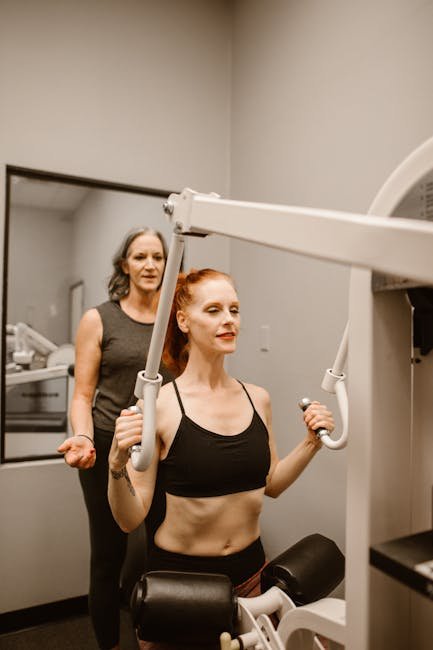
Transitioning from personal training to independent workouts can be an empowering experience, allowing you to take control of your fitness journey. Many individuals begin their fitness path under the guidance of a personal trainer, learning the fundamentals of exercise, nutrition, and overall health. However, as you become more familiar with your body and fitness goals, the need for personal training may diminish, prompting a shift towards independent workouts. This shift is not just about changing the environment; it involves adopting a self-motivated mindset, understanding your body’s needs, and planning your workouts effectively. In this ultimate guide, we will explore essential strategies and practical tips to help you navigate this transition seamlessly. From building workout routines to staying motivated and tracking progress, each section will provide insights to ensure that you continue your fitness journey successfully and sustainably.
Understanding Your Fitness Goals
Before making the transition from personal training to independent workouts, it’s crucial to have a clear understanding of your fitness goals. Are you looking to build muscle, lose weight, improve endurance, or enhance flexibility? Identifying specific goals will guide your workout choices and help you stay focused. For instance, if your primary objective is weight loss, you might integrate more cardio into your routine, while someone aiming to build muscle may prioritize strength training. Take the time to write down your goals and break them into smaller, measurable milestones. This clarity will not only enhance your motivation but also make it easier to design a workout plan tailored to your needs. Remember, your goals should be realistic and achievable, allowing you to celebrate small victories along the way, which will keep you engaged and committed to your fitness journey.

Creating a Personalized Workout Plan
Once you have defined your fitness goals, the next step is to create a personalized workout plan. A well-structured plan should outline your workouts for each week, specify the type of exercises, and include rest days to prevent burnout. For example, a balanced routine might consist of three days of strength training, two days of cardio, and two days of active recovery like yoga or walking. Additionally, consider incorporating various exercises to keep your routine fresh and exciting. Utilize compound movements like squats, deadlifts, and bench presses, as they engage multiple muscle groups and provide efficient results. Furthermore, ensure that you adjust the intensity and volume of your workouts as you progress. This can include increasing weights or varying your cardio sessions to maintain progress and avoid plateaus. A personalized workout plan will serve as your roadmap, guiding you through your independent fitness journey.
Mastering Self-Motivation
Self-motivation is key when transitioning to independent workouts. Without the accountability of a personal trainer, it can be easy to skip workouts or lose enthusiasm. To combat this, establish a routine that works for you. Consider scheduling your workouts at the same time each day to create a habit. Additionally, set small, achievable goals to maintain motivation. For example, aim to complete a certain number of workouts per week or increase your performance in specific exercises. Another effective strategy is to find a workout buddy or join a community, either online or locally. Sharing your journey with others can provide support and encouragement. Celebrate your achievements, no matter how small, as they contribute to your overall progress. By mastering self-motivation, you’ll develop the discipline required to stay committed to your independent workouts.
Utilizing Technology and Resources
In today’s digital age, various technologies and resources can enhance your independent workout experience. Fitness apps, online workout programs, and video tutorials provide an abundance of information and guidance. For instance, apps like MyFitnessPal can assist in tracking nutrition and workouts, while platforms such as YouTube offer countless workout videos tailored to different fitness levels. Additionally, consider investing in wearable fitness technology, such as smartwatches or fitness trackers, to monitor your progress and keep you accountable. These devices can provide valuable insights into your heart rate, calories burned, and overall activity levels. However, it’s essential to ensure that you choose credible sources for your workouts and nutrition information to avoid misinformation. Embracing technology can make your independent workouts more engaging and effective, providing you with the tools needed to achieve your fitness goals.

Adapting to Changes in Environment
Transitioning to independent workouts often means adapting to a new environment, whether that’s working out at home, in a gym, or outdoors. If you’re used to a trainer-led environment, adjusting to working out alone can feel daunting. To ease this transition, create a dedicated workout space that inspires you and minimizes distractions. If you’re exercising at home, invest in basic equipment like dumbbells, resistance bands, or a yoga mat to enhance your workouts. When hitting the gym, familiarize yourself with the available equipment and layout. If you prefer outdoor workouts, explore local parks or trails and incorporate bodyweight exercises or running. Each environment has its unique benefits, and adapting to these changes can help you discover new ways to enjoy your fitness routine. Embrace the freedom of choosing where and how you work out, and it will enhance your overall motivation and commitment to your fitness journey.
Tracking Your Progress
Tracking your progress is vital when transitioning to independent workouts, as it helps you stay accountable and recognize your achievements. Consider keeping a workout journal or using an app dedicated to fitness tracking. Document your workouts, including exercises, sets, reps, and weights used. This record will not only help you see your progress over time but also allow you to identify patterns and areas for improvement. Additionally, consider taking progress photos or measurements to visually track changes in your body. Regularly assess your fitness goals and adjust your workout plan accordingly to ensure continued progress. Celebrate milestones, whether it’s lifting heavier weights or completing a challenging workout, as these successes can serve as motivation to keep pushing forward. By consistently tracking your progress, you’ll maintain focus and momentum throughout your independent workout journey.
Embracing a Holistic Approach to Health
Conclusion
Transitioning from personal training to independent workouts is an exciting opportunity to take control of your fitness journey. By understanding your goals, creating personalized workout plans, and mastering self-motivation, you can navigate this change successfully. Utilizing technology, adapting to new environments, tracking progress, and embracing a holistic approach to health will further enhance your experience. Remember that this journey is unique to you, filled with ups and downs, but staying committed and adaptable will lead to long-term success. As you embark on this new chapter, celebrate every achievement, no matter how small, and enjoy the freedom that comes with independent workouts. Your fitness journey is just beginning, and the possibilities are endless.