Everything You Need to Know About At-Home HPV and STI Test Kits: A Complete Guide
Human Papillomavirus (HPV) and sexually transmitted infections (STIs) are prevalent health issues that affect millions of people worldwide. With the rise of digital health solutions, at-home test kits have emerged as a convenient and private way to manage sexual health. These kits allow individuals to test for HPV and other STIs in the comfort of their own homes, reducing the stigma and anxiety often associated with testing. This comprehensive guide will explore everything you need to know about at-home HPV and STI test kits, including how they work, their benefits, limitations, and the importance of regular testing. By understanding these kits, you can take proactive steps to maintain your sexual health while ensuring peace of mind. Whether you’re considering an at-home test for the first time or seeking more information, this guide will provide you with valuable insights to help you make informed decisions about your health.
Understanding HPV and STIs
Human Papillomavirus (HPV) is one of the most common sexually transmitted infections, with over 200 different strains. While most HPV infections are harmless and clear up on their own, some strains can lead to serious health issues, including cervical cancer and other genital cancers. Other sexually transmitted infections (STIs), such as chlamydia, gonorrhea, and syphilis, can also pose significant health risks if left untreated. STIs may cause symptoms like unusual discharge, pain during intercourse, or burning during urination, but many individuals remain asymptomatic. Regular testing is crucial for early detection and treatment, helping to prevent complications. Understanding the risks associated with HPV and STIs can empower individuals to seek testing and treatment, ultimately improving their sexual health outcomes.
How At-Home Test Kits Work
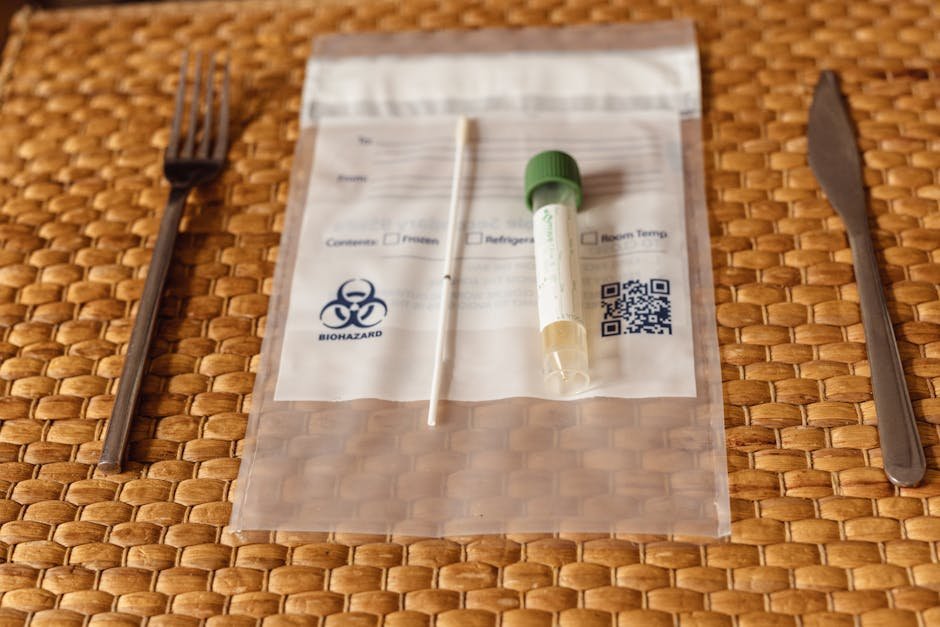
At-home HPV and STI test kits are designed to provide a simple, user-friendly way to test for infections without needing to visit a clinic or doctor’s office. Most kits include a collection device, such as a swab or urine sample container, along with detailed instructions on how to collect the sample correctly. After collection, the samples are sent to a laboratory for analysis. Results are typically available within a few days and can be accessed online, providing a discreet way to receive your results. Some kits even offer telehealth consultations, where healthcare professionals can discuss the results and recommend further actions if necessary. This seamless process makes at-home testing an appealing option for those who may feel uncomfortable seeking in-person testing.

Benefits of At-Home Testing
At-home HPV and STI test kits offer numerous benefits, making them an attractive option for many individuals. One of the most significant advantages is privacy; users can test in the comfort and confidentiality of their own home without the stress of a clinic visit. This can be particularly beneficial for those who may feel embarrassed about discussing sexual health issues. Additionally, at-home testing can save time and reduce the burden of scheduling appointments, as users can test at their convenience. Many kits also provide fast results, allowing individuals to take prompt action if they test positive. Furthermore, the accessibility of these kits encourages more people to get tested regularly, ultimately contributing to better public health outcomes.
Limitations of At-Home Test Kits
While at-home HPV and STI test kits offer many advantages, there are also some limitations to consider. One primary concern is the accuracy of the tests. Although most reputable kits provide reliable results, false negatives or positives can occur, leading to potential misdiagnosis. It’s essential to choose high-quality tests from reputable brands and laboratories that comply with regulatory standards. Additionally, at-home tests may not cover all STIs, which can limit their effectiveness. Some infections require more comprehensive testing or clinical examination for accurate diagnosis. Finally, while the convenience of at-home testing is appealing, it may not replace the need for medical consultations, especially for individuals with symptoms or those requiring further treatment.
Choosing the Right Test Kit
Selecting the right at-home HPV and STI test kit is crucial for obtaining accurate results. Begin by researching different brands and options available on the market. Look for kits that are FDA-approved or CE-marked, which indicates they meet safety and efficacy standards. Read reviews and testimonials from other users to gauge the reliability of the tests. Some kits test for multiple STIs, while others focus on specific infections; choose one that aligns with your needs. Additionally, check if the kit includes access to healthcare professionals for consultation after testing, as this can provide valuable support and guidance based on your results. Taking the time to choose the right kit can significantly impact your testing experience and health outcomes.
Interpreting Your Results
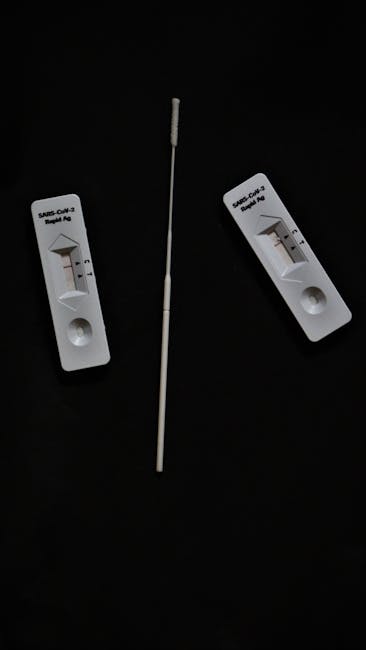
Interpreting the results of at-home HPV and STI tests can be straightforward but may also require careful consideration. Most kits will provide clear instructions on how to read the results, which may be displayed as positive, negative, or inconclusive. A positive result typically indicates the presence of an infection, while a negative result suggests no infection was detected. However, an inconclusive result may require retesting or follow-up with a healthcare professional. It’s essential to remember that a negative result does not guarantee the absence of an infection, particularly if you have symptoms or have recently been exposed. If you receive a positive or inconclusive result, consult a healthcare provider for further evaluation and treatment options.
The Importance of Regular Testing
Regular testing for HPV and STIs is a vital aspect of maintaining sexual health. Many infections, including HPV, can remain asymptomatic for extended periods, making routine testing crucial for early detection. The Centers for Disease Control and Prevention (CDC) recommend that sexually active individuals get tested at least once a year, and more frequently for those with multiple partners or higher-risk behaviors. Regular testing not only helps in early identification and treatment of infections but also aids in reducing the transmission rates within communities. By prioritizing sexual health and making testing a regular part of your healthcare routine, you contribute to better health outcomes for yourself and those around you.
Conclusion
At-home HPV and STI test kits represent a significant advancement in sexual health management, offering privacy and convenience for those seeking to monitor their health. While they come with numerous benefits, it’s essential to be aware of their limitations and the importance of consulting healthcare professionals for accurate diagnosis and treatment. By understanding how these kits work, how to choose the right one, and the significance of regular testing, individuals can take proactive steps towards maintaining their sexual health. Embracing at-home testing can empower you to make informed decisions about your health and well-being, ultimately fostering a culture of openness and responsibility around sexual health.